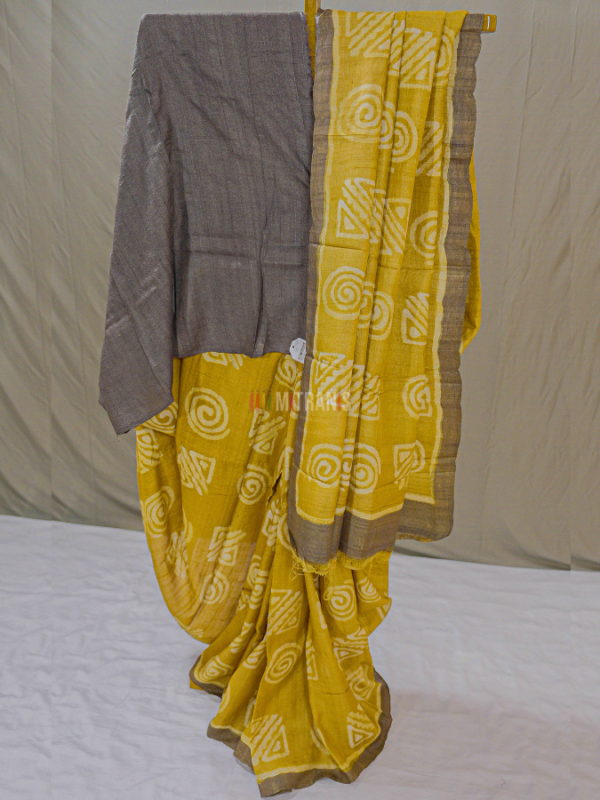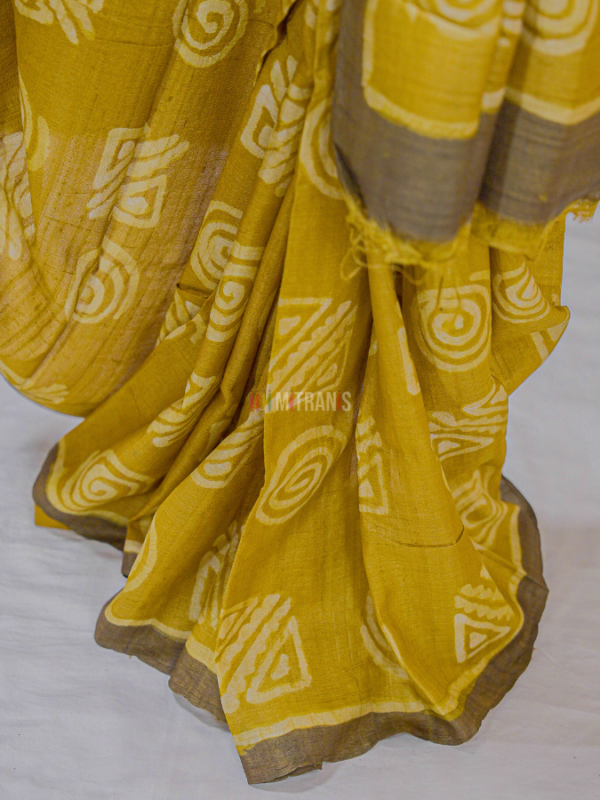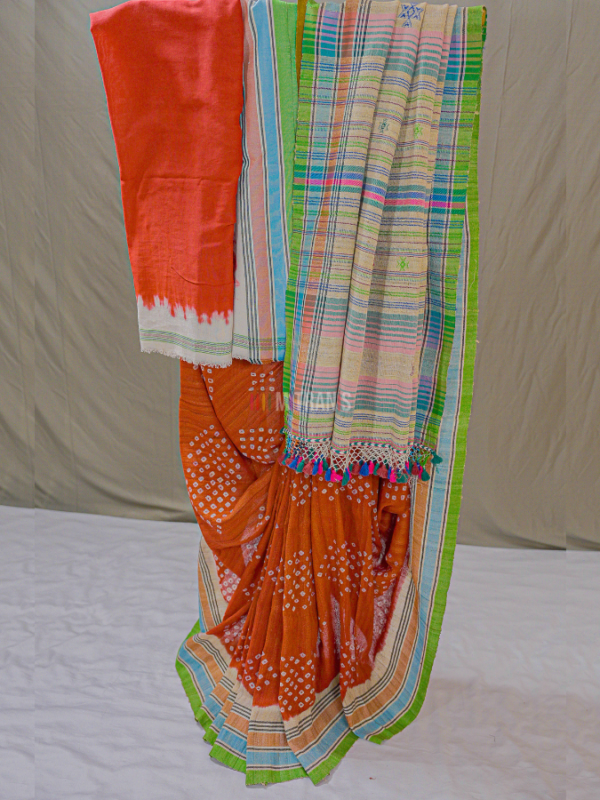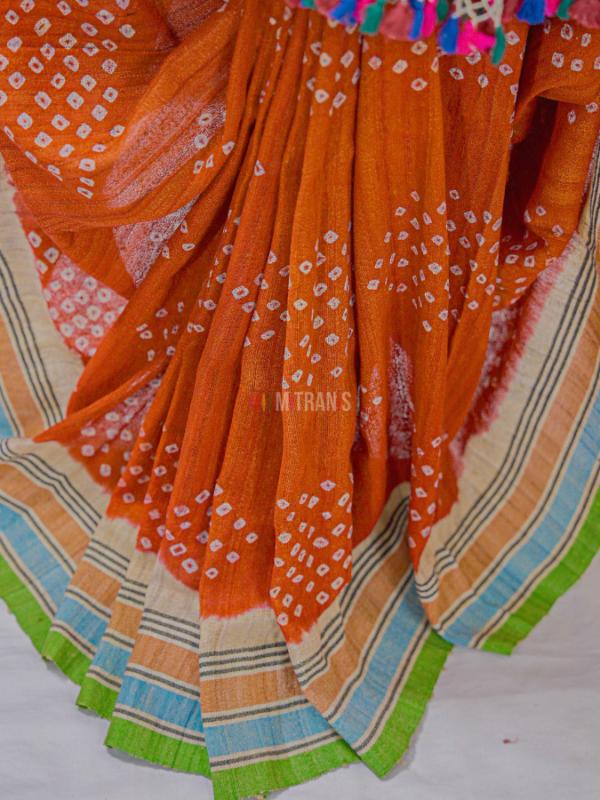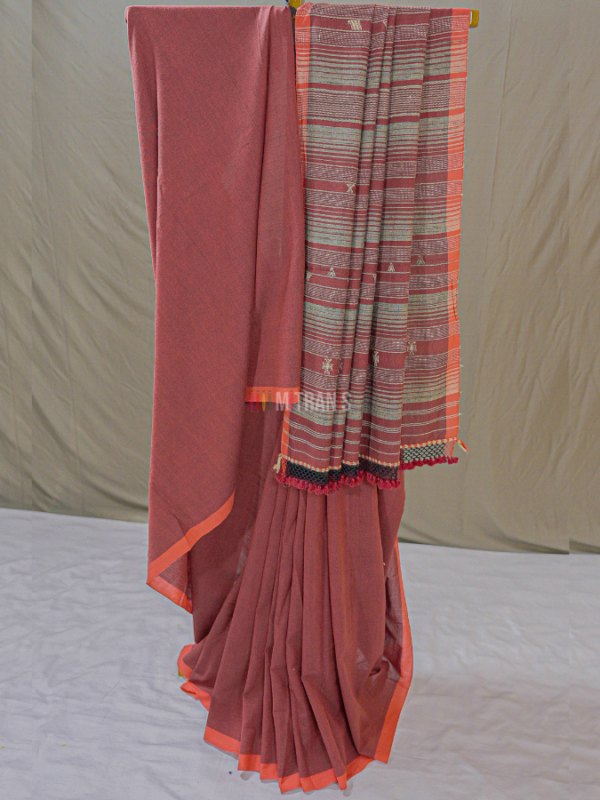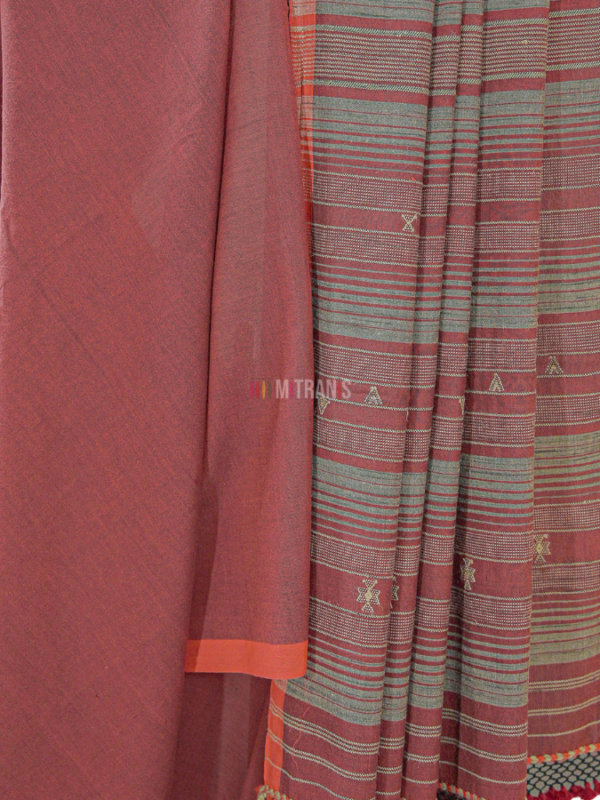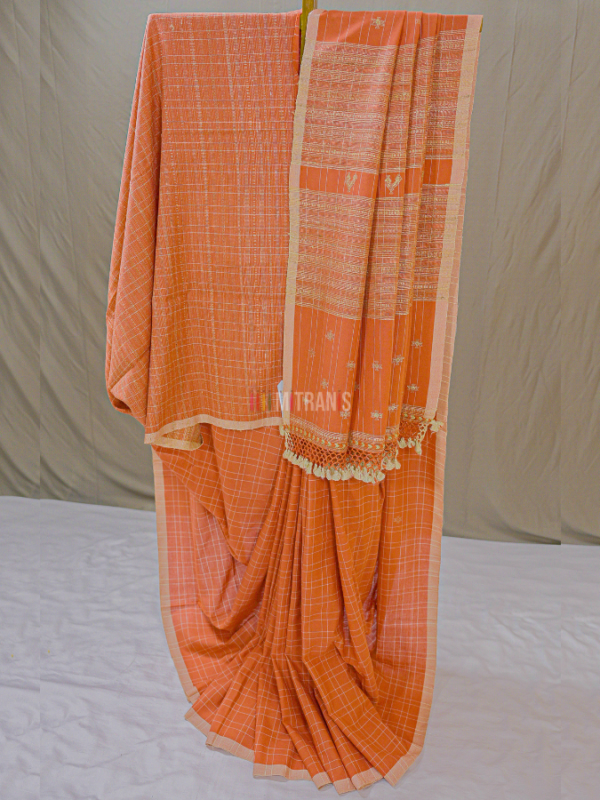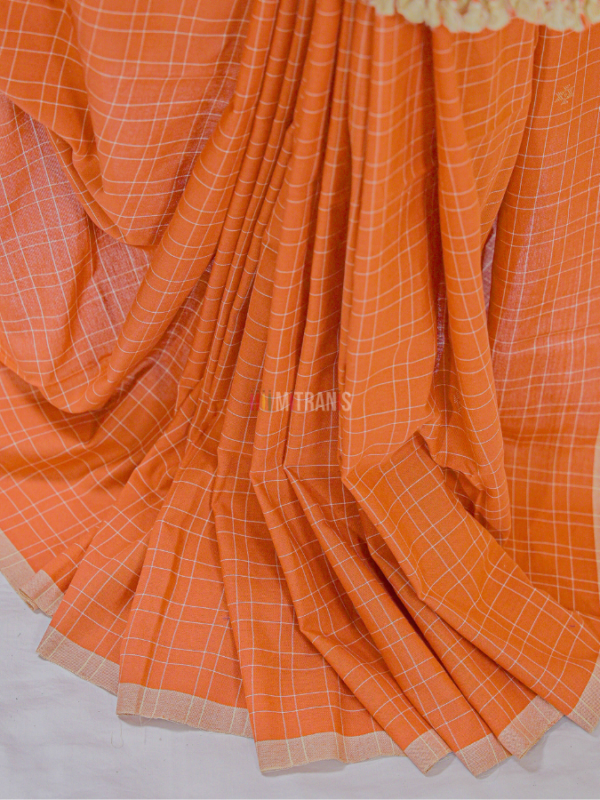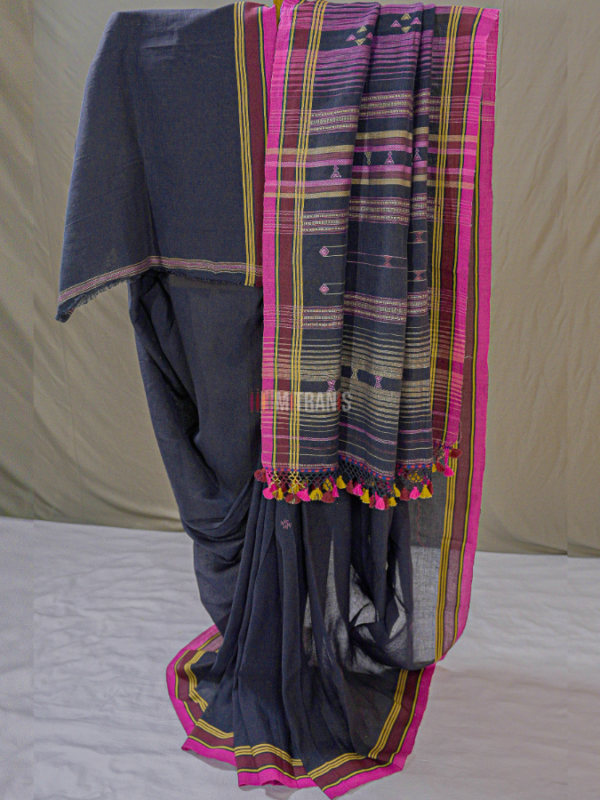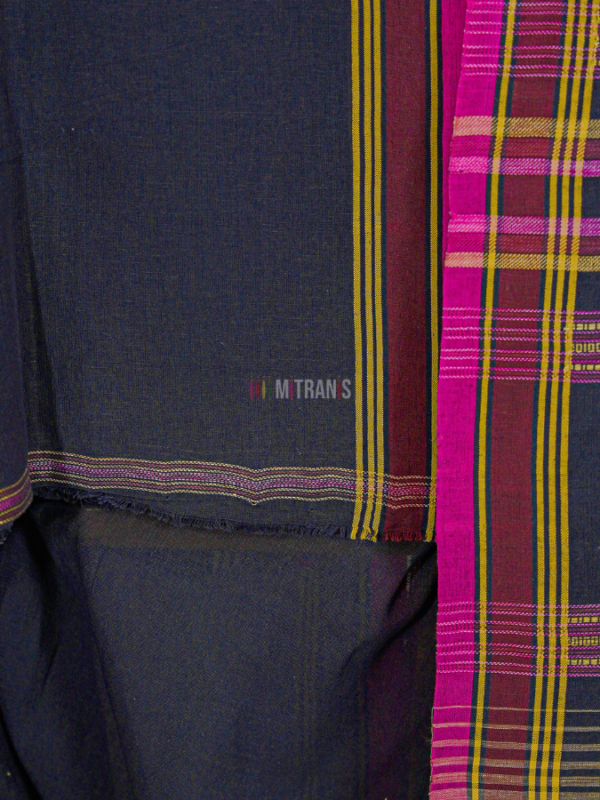

The Timeless Story of Indian Handwoven Sarees: Threads of History, Culture & Craft
Some garments are just clothes. And then there are Indian handwoven sarees — living, breathing archives of civilization.
Every fold carries a story. Every motif holds a memory. And every weave is the fingerprint of a community that has spent centuries perfecting its craft. If you’ve ever draped one and felt something inexplicably powerful, you weren’t imagining it. You were feeling 2,000 years of history.
How It All Began: Ancient Roots of Indian Handloom
Long before luxury fashion existed as a concept, India was already clothing the world.
Archaeological finds from the Indus Valley Civilization (c. 2500 BCE) reveal spindle whorls and cotton remnants — proof that India mastered textile production millennia ago. Ancient texts like the Rigveda praised fine fabrics, and Greek travelers wrote in awe of Indian cloth that seemed to defy nature itself.
By the time of the Mauryan and Gupta empires, Indian textiles were being exported to Rome, Persia, and Southeast Asia. The world didn’t just admire Indian weaves — it craved them.
The Golden Age: Regional Traditions Take Root
As centuries passed, weaving stopped being merely a trade. It became an identity.
Different regions of India developed entirely distinct traditions shaped by local climate, available fibers, religious practices, and royal patronage. The result? A stunning mosaic of styles that no factory or machine has ever been able to replicate.
Bengal: Where Threads Became Poetry
Under Mughal patronage, Bengal’s weavers achieved the near-impossible. The legendary Dhaka muslin — famously called “woven air” — was so delicate it could pass through a finger ring. Today, Bengal’s handloom legacy lives on through:
- Baluchari Sarees — narrative silk weaves featuring mythological scenes
- Jamdani Sarees — UNESCO-recognised geometric masterpieces
- Tant Sarees — breathable everyday cottons woven in tight-knit communities
Varanasi: Silk, Gold & the Mughal Touch
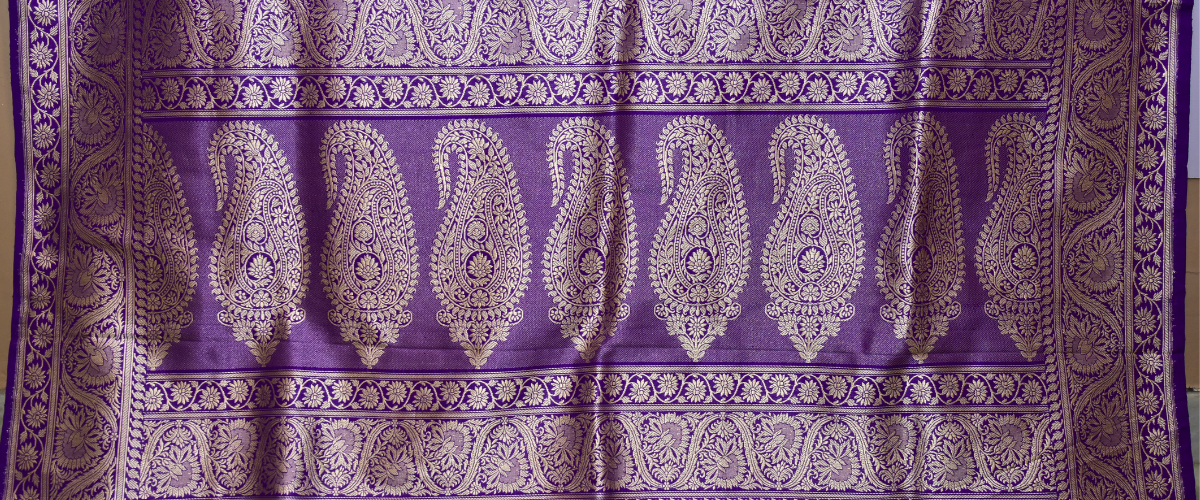
No conversation about Indian handwoven sarees is complete without Banarasi silk. Varanasi’s weavers absorbed Persian floral aesthetics during the Mughal era and wove them into something uniquely Indian — rich brocades threaded with real zari (gold and silver) that caught candlelight like molten jewellery.
A Banarasi saree is not a purchase. It’s an heirloom.
South India: Temples in Silk
In the South, saree-making was practically a spiritual practice. Temple culture and royal courts of kingdoms like Vijayanagara elevated weaving into devotion. The result:
- Kanchipuram Sarees — heavy silk, bold contrast borders, built to last generations
- Mysore Silk Sarees — softer, more fluid, infused with royal Karnataka elegance
- Kasavu Sarees — Kerala’s ceremonial white-and-gold weaves, worn during Onam and weddings
Western & Central India: Geometry, Color & Resist Dyeing
Rajasthan, Gujarat, and Madhya Pradesh gave the world an entirely different visual vocabulary:
- Patola Sarees — double ikat wonders from Patan, so complex a single saree can take a year to make
- Bandhani Sarees — tie-dyed bursts of celebration
Maheshwari & Chanderi Sarees — sheer, lightweight royalty from the Narmada belt.
The Mughal Era: When Weaving Became High Art
Between the 16th and 18th centuries, the Mughal court transformed Indian handwoven sarees from craft into couture.
Emperors commissioned weavers directly. Persian floral motifs merged with Indian iconography. Zari work reached new levels of intricacy. Silk brocades became currency — not just traded, but gifted to diplomats and kings as symbols of imperial power.
This era set the gold standard for saree luxury that designers still look to today.
The Dark Chapter: Colonial Destruction of the Handloom
The arrival of the East India Company cast a long shadow over India’s weaving communities.
British textile mills could produce machine-made cloth far more cheaply. Combined with punishing taxation, unfair trade policies, and the systematic destruction of royal patronage systems, India’s handloom artisans were pushed to the edge. Entire weaving communities collapsed. Some traditions — including the extraordinary Dhaka muslin — nearly vanished forever.
It remains one of the most devastating acts of cultural erasure in economic history.
Gandhi, Khadi & the Fight to Reclaim the Loom
Then came Mahatma Gandhi — and the loom became a weapon of resistance.
By promoting khadi and hand-spinning as acts of self-reliance, Gandhi turned the handloom into a political symbol. Indians were not just buying fabric; they were rejecting colonial economic control, thread by thread.
After independence, the Indian government stepped in to preserve what remained through weaving cooperatives, textile boards, and — crucially — Geographical Indication (GI) tagging, which legally protected regional weave names and ensured only authentic producers could use them.
Indian Handwoven Sarees Today: From Heritage to High Fashion
Today, Indian handwoven sarees occupy a fascinating dual space — they are simultaneously ancient and urgently contemporary.
Across fashion weeks in Delhi, Mumbai, and international runways, handloom sarees are being reimagined for modern wardrobes without sacrificing their soul. Younger buyers, many discovering these traditions through weddings and social media, are falling in love not just with how these sarees look — but with what they mean.
A handwoven saree is sustainable. It is slow fashion before slow fashion was a movement. It employs artisan families whose skills have been passed down for ten generations. And it tells a story no fast-fashion garment ever could.
Why Every Wardrobe Deserves an Indian Handwoven Saree
Here’s the truth: wearing a handwoven saree is an act of cultural participation.
- You’re preserving a weaver’s livelihood
- You’re carrying regional identity on your shoulders
- You’re owning a piece of craft that cannot be mass-produced
- You’re connecting to a lineage of women who wore these same patterns at their most important moments
These are not just beautiful garments. They are irreplaceable.
Conclusion
The history of Indian handwoven sarees is the history of India itself — resilient, layered, extraordinarily beautiful, and impossible to reduce to a single thread. From the looms of ancient Bengal to the silk streets of Varanasi, from Mughal courts to Gandhi’s charkha, each weave has survived empire, industrialisation, and time.
When you choose a handwoven saree, you’re not just choosing what to wear. You’re choosing which story you want to carry with you.
Discover Your Heirloom at Mitranis
At Mitranis, we believe every woman deserves to own a piece of India’s weaving legacy. Our curated collection of authentic Indian handwoven sarees — from Banarasi silks to Jamdani cottons — is sourced directly from master weavers who have spent lifetimes perfecting their craft.
Shop the Mitranis Handloom Edit → Because the most meaningful thing in your wardrobe should also be the most beautiful.
Explore. Drape. Cherish.
FAQ Section
Q1: What makes Indian handwoven sarees different from machine-made sarees? Handwoven sarees are made entirely on traditional looms by skilled artisans, giving each piece subtle irregularities that are marks of authenticity. They carry cultural heritage, take significantly longer to produce, and often use natural fibers and traditional dyeing methods unavailable in machine production.
Q2: Which Indian handwoven saree is the most expensive and why? The Patola saree from Patan, Gujarat, is among the most expensive due to its double ikat technique, where both warp and weft threads are resist-dyed before weaving. A single saree can take 6–12 months to complete.
Q3: How do I verify if a saree is genuinely handwoven? Look for slight irregularities in the weave pattern, the presence of a handloom mark or GI tag, and documentation from the seller. Buying from reputed retailers who source directly from weavers — like Mitranis — is the most reliable guarantee.
Q4: Are handwoven sarees good for everyday wear or only for occasions? Both! Lighter weaves like Tant, Chanderi, and Maheshwari are perfect for daily wear, while heavier Banarasi and Kanchipuram sarees are ideal for weddings and festivals. There is a handwoven tradition for every occasion and season.
Q5: What is a GI tag and why does it matter for handwoven sarees? A Geographical Indication (GI) tag is a legal certification that a product originates from a specific region and meets quality standards associated with that region. For sarees, it ensures you’re buying an authentic Banarasi, Kanchipuram, or Jamdani — not an imitation.
Q6: How should I care for a handwoven silk saree? Dry clean for the first few washes. Store folded in soft muslin cloth, away from direct light. Avoid plastic bags, which can trap moisture and damage silk fibers. Re-fold along different lines periodically to prevent permanent creases.